
Most paper cups have an invisible layer of plastic inside, making them difficult to recycle. Recycling requires specialized processing equipment or switching to newer mineral-coated paper cups, otherwise they will be disposed of as garbage.
Last updated: September 2025 | Estimated reading time: 6 minutes
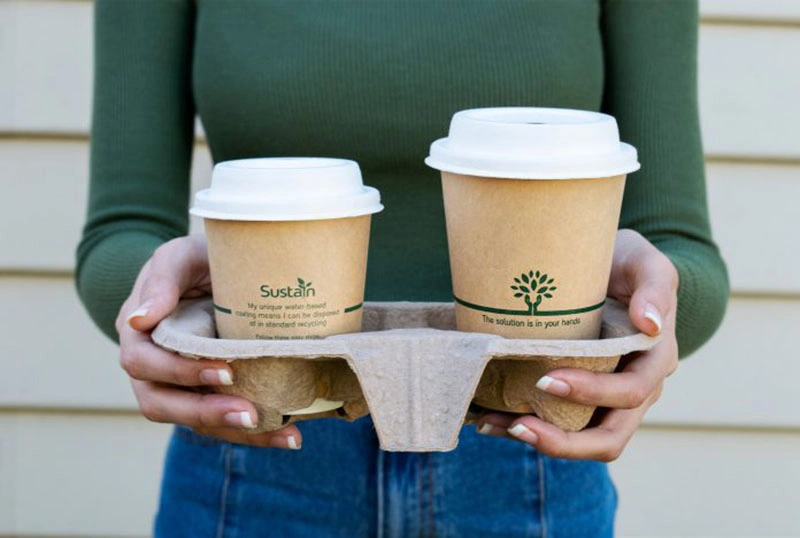
This article will answer
- Why plastic liners hinder conventional recycling
- How professional factories separate paper and plastic
- Which labels indicate that paper cups are truly recyclable?
- How businesses and individuals can reduce paper cup waste
Why are paper cups difficult to recycle?
Most paper cups are made of composite materials and have a polyethylene (PE) plastic coating inside to enhance their waterproofing capabilities, so they cannot be recycled as ordinary paper or plastic.
Paper cups are usually treated as dry garbage, and wet and dirty paper cups tend to mix together. However, due to their small size, sorting and cleaning paper cups is time-consuming and labor-intensive, resulting in low recycling efficiency.
If you really want to recycle, you need to send it to a professional processing plant to separate the plastic and pulp. However, this method is not popular and is not practical.

Plastic lining and separation problems
The plastic coating of the paper cup lining is HDPE, which is pressed onto the facial tissue by coating. It adheres tightly and is not easily separated by simple mechanical ways.
If simple hot water degradation is used, varying degrees of decomposition will occur within 15 minutes, releasing plastic and toxic heavy metals, which will cause pollution and increase the difficulty of recycling.
Currently, most waste treatment plants do not have professional equipment for separating plastic film and paper fibers. These reasons make paper cup recycling difficult and ineffective.
| Obstacle | Cause | Result | Impact on You |
|---|---|---|---|
| Plastic lining | Polyethylene coating | Difficult to separate | Limited recycling options |
| Coffee residue | Leftover beverages | Contaminates pulp | Higher rejection rates |
| Facility limits | Lack of hydrapulper | Cannot process paper cups | Direct landfilling |
Practical advice for individuals:
- Check your local guidelines: Search your local website for “paper cup recycling” to see if they have specific instructions or accept paper cups in their program.
- Dispose of as garbage: If you can’t find a recycling channel for paper cups, just throw them in the trash.
- Choose reusable paper cups: Switch to sustainable cups.
Real-world example: London has set up dedicated paper cup recycling bins and sent paper cups to specialized factories, saving millions of paper cups from entering landfills each year.
For more sustainable packaging, see our guide to compostable paper cups.
Can polyethylene or wax-coated paper cups be recycled?

Polyethylene (PE)-coated paper cups are recyclable. The plastic coating is separated from the paper pulp through hydraulic separation and thermal treatment, and then each is recycled. The plastic can be processed into plastic pellets for use in new plastic products, while the paper pulp is used to form new paper products.
However, wax-coated paper cups are more difficult to recycle. Wax is non-biodegradable and cannot be disposed of in the same way as normal, making recycling more difficult.
How do recycling plants handle paper cups?
Plants equipped with pulping equipment will beat the paper cups into pulp, and then use centrifugal force to separate the plastic and paper fibers. The pulp and plastic are separated by density difference. The recycled pulp can be made into cardboard or paper towels, while the plastic lining is downgraded and reused as plastic lumber.
Are compostable paper cups better for the environment?
Compostable paper cups use bio-based materials as linings, such as PLA or water-based coatings, which can be decomposed into water and carbon dioxide in industrial composting plants. They can fully degrade under specific temperature and humidity conditions.
Latest trends in 2025
- Water-based coating: Eliminates the difficulty of plastic lining and can be processed with ordinary paper pulp.
- Recycling program: Coffee chain expands dedicated recycling bins.
- Plant-based film: Reduce the use of petrochemical plastics.
Identifying genuinely recyclable paper cup labels
Look for labels like “Plastic-Free Certified,” “Compostable,” or “Widely Recyclable,” which indicate the cups can go into regular paper recycling or industrial composting.
Measures taken by businesses to reduce paper cup waste
- Promote BYO: Offer discounts to customers who bring their own cups.
- Partner with a professional recycler: Set up dedicated collection bins.
- Clear labeling: Post correct recycling instructions.
The correct way for individuals and businesses to handle
Rinse the paper cup, remove the lid and sleeve, and place it in the recycling bin if your local recycling plant accepts it. Otherwise, choose industrial composting or landfill to avoid contaminating other recyclable paper.
FAQs
No. Only facilities with specialized pulping machines can separate the liner, please check your local recycling guidelines.
No. Most industrial composting plants require high temperatures.
Yes. Using reusable cups reduces waste and greenhouse gases over time.
Conclusion
Paper cups can technically be recycled, but most require specialized equipment. Check local regulations, use designated recycling bins, or switch to reusable cups to reduce waste.
Action Plan:
- Check your local recycling guide
- Choose plastic-free or compostable paper cups
- Encourage coffee shops to join recycling programs
About XiangGe Package
We provide customized paper packaging made of FSC-certified materials and environmentally friendly coatings, helping companies design paper cups and cartons that meet recycling standards.
Get in touch for a free sample or expert advice on how to create sustainable packaging solutions together.
Last updated: September 2025
Recommended internal links:
