
XiangGe Package offers customized paper cup solutions, focusing on environmentally friendly, safe, and durable packaging designs. We use high-quality PE or PLA coatings to ensure our paper cups can withstand the temperatures of hot beverages and fully comply with FDA certification standards.
Last updated: January 2026 | Estimated reading time: 6 minutes
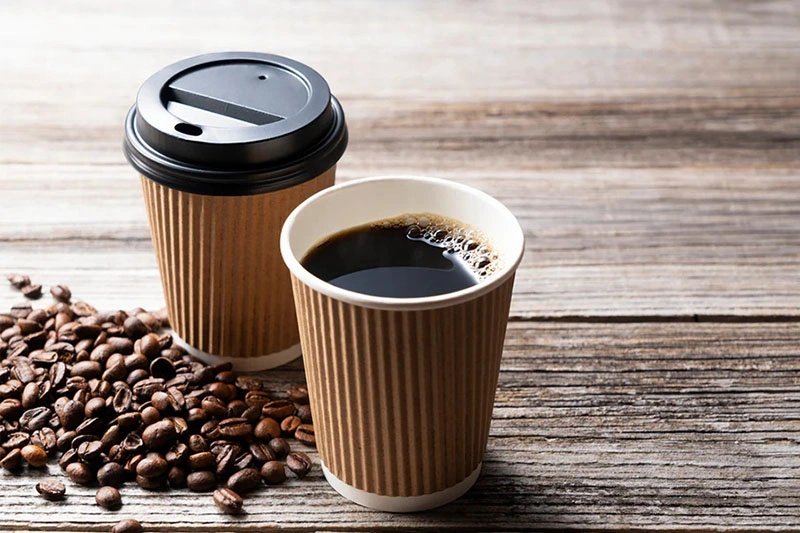
This article will guide you:
- What is the paper cup construction?
- Are paper cups really safe for hot drinks?
- What are the potential health risks of improper paper cup usage?
- What are the trends in safe paper cups development?
- Why choose XiangGe Package to custom paper cups?
What is the paper cup construction?
The paper cup consists of a conical body and a round base, assembled by heat pressing. Its main material is bleached paper to prevent leakage, and we use PE or PLA linings to allow the cup to hold hot drinks without deforming the cardboard. Sometimes, for better insulation, we recommend double-layer corrugated cardboard insulation.

PE or PLA lining paper cup
The most commonly used lining material for disposable paper cups is polyethylene (PE), while polylactic acid (PLA) lining is less common. Most ordinary paper cups and coffee cups use a PE film lining, which provides waterproofing and oil resistance. PE film technology is mature and inexpensive, but at high temperatures, the PE coating may release tiny plastic particles.
PLA lining is a bio-based plastic made from corn and other plant starches, and is biodegradable, but paper cups with PLA lining are more expensive.
| Material | Heat Resistance | Environmental Friendliness | Applicable Products |
|---|---|---|---|
| PE | High | Low | General Hot Drinks |
| PLA | Medium | High | Eco-friendly Hot Drinks |
The structure of the cup and the weight of the paper

The structure of a paper cup affects its heat resistance. Higher paper weight results in a stronger cup, capable of withstanding greater hand pressure. For hot beverages, we recommend thicker paper to help prevent deformation or breakage.
Below are the weight ranges for typical disposable beverage paper cups:
No Microplastics Paper Cups

Paper cups have far less plastic coating than plastic cups, and PLA paper cups avoid microplastic contamination.
When paper cups are left to stand in hot water at 85–90℃ for 15 minutes, it is found that the inner membrane of disposable paper cups releases a large number of micron- and submicron-sized plastic particles into the water. The main components of these particles are polyethylene, polypropylene, polystyrene, and polylactic acid.
No BPA Chemicals

Modern paper cup manufacturers do not use plastic coatings containing BPA (bisphenol A) to ensure that their products are free of harmful chemicals, thereby reducing the threat to consumer health. Long-term exposure to BPA may cause reproductive and developmental abnormalities and diabetes, and therefore it is a key focus and restriction for regulatory agencies in various countries.
Double wall paper cups

Double-walled paper cups use an “outer layer + air gap” to insulate against heat and prevent scalding, enhancing heat retention.
A relatively still air gap exists between the paper cup and the outer corrugated cardboard, slowing down heat loss and making it less scalding for your hands when holding a hot drink.
FDA-compliant certified cups

As a food contact material, all our paper cups (paper, coating, and ink) are FDA certified and meet food safety standards. We ensure that the entire paper cup undergoes migration or leaching testing to confirm that harmful substances do not exceed maximum limits.
Avoid reusing disposable paper cups

All disposable paper cups are designed for single use. Repeated use increases the risk of leakage and chemical migration, especially the internal PE/PLA, which ages and detaches more quickly at high temperatures. For the safety of your users, we do not recommend the repeated use of disposable paper cups.
Trends in the development of safe paper cups
As people become more environmentally conscious, paper cups are gradually starting to use plant-based coatings: PLA, instead of traditional PE coatings. This helps reduce plastic pollution while maintaining the safety and performance of the paper cups.
Latest developments at a glance:
- Eco-friendly paper cups: Paper cups made from plant-based materials are more environmentally friendly and are gradually replacing traditional plastic-coated paper cups.
- Double-walled paper cups: The double-layered design increases insulation and heat resistance, making the cups suitable for hot beverages.
- Compostable paper cups: Made from compostable materials, these paper cups have a minimal impact on the environment when they decompose.
Potential health risks of improper paper cup usage
The risks of improper use of paper cups should not be underestimated. Below are the main causes and how to avoid them:
Microplastic release. After a period of time at the boiling point, the inner lining of a paper cup will peel off, releasing a large number of microplastic and nanoplastic particles. Long-term ingestion may affect the gut microbiota.
Low-quality paper cups may contain residues of bleach, fluorescent whitening agents, heavy metals, or substandard inks. When heated, the risk of migration increases, and carcinogens may even be produced.
Soaking disposable paper cups in water or tea for extended periods significantly increases the release of microplastics and migratable substances.
Paper cups may come into contact with dust during production, transportation, and storage. Once damp, they are likely to mold.
We recommend prioritizing reusable, safe cups and using disposable paper cups as an alternative; avoid using disposable paper cups for prolonged periods to hold boiling water or high-temperature beverages; and purchase paper cups from reputable factories that adhere to relevant standards and have confirmed production dates.
Why choose XiangGe Package to custom paper cups?
XiangGe Package provides customized paper cup solutions, focusing on environmentally friendly, safe, and durable packaging designs. We use high-quality PE or PLA coatings to ensure our paper cups can withstand the temperature of hot beverages and fully comply with FDA certification standards.
Want to customize high-quality paper cups for your brand? Contact us for a free design consultation and samples.
FAQs
Yes, paper cups can be used for hot drinks, especially those with high-quality PE or PLA linings, which can effectively withstand the temperature of hot beverages.
Yes, it is safe to use FDA-approved paper cups to hold hot coffee, as long as the cups do not exceed their temperature limit.
Most paper cups can withstand hot beverages at temperatures ranging from 70°C to 95°C (158°F to 203°F), but double-walled paper cups offer better heat resistance.
Yes, as long as the paper cups meet food safety standards and have a double-layered design, they are suitable for children's use.
Prolonged use or exposure to high temperatures can cause paper cups to soften or lose their structural integrity, leading to breakage or leakage. Therefore, prolonged use is not recommended.
Conclusion
Overall, paper cups are safe for short-term use, especially when choosing high-quality products that meet FDA certification standards. If you want a more environmentally friendly option, consider using compostable paper cups with a PLA coating.
Actionable advice: If you frequently use paper cups for hot beverages, it is recommended to choose double-walled paper cups or those made from compostable materials to ensure safety while reducing environmental impact.
Last updated: January 2026
Recommended internal links:
