
Many people are confused about whether pizza boxes can be composted. The answer is simple: it mainly depends on the condition of the pizza box and the composting method. We specialize in manufacturing a variety of pizza boxes, and in this guide, we will explain in detail how and when to compost pizza boxes, the benefits of composting, and what to do if the pizza box is too greasy.
Last updated: December 2025 | Estimated reading time: 7 minutes
This article will answer your questions
- Why compost pizza boxes?
- Can clean pizza boxes be composted directly?
- Can greasy pizza boxes be composted?
- What happens to pizza boxes after composting?
- Under what circumstances should
- pizza boxes not be composted?
- Pizza box composting policies in different states
Why compost pizza boxes?
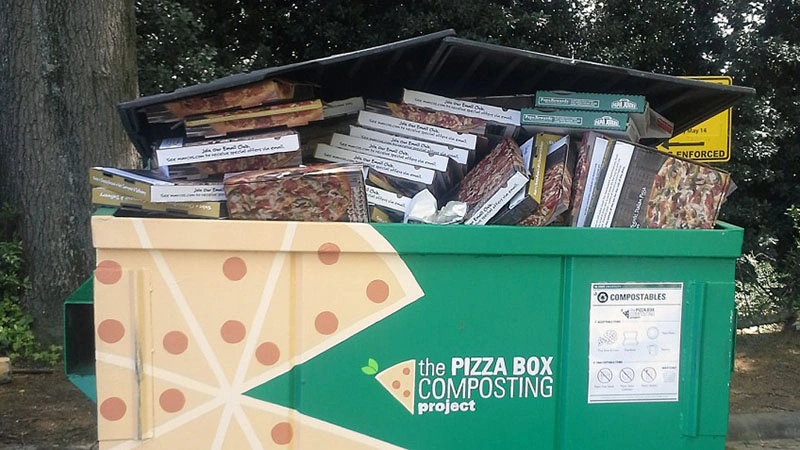
Pizza boxes are made of cardboard, which is inherently compostable. However, used pizza boxes are typically contaminated with grease and pizza residue, preventing them from being placed in recycling bins. Composting pizza boxes reduces the amount of waste sent to landfills and provides organic matter for the soil.
Tip: Composting pizza boxes can help improve soil structure, increase soil microbial activity, and promote plant growth, especially since cardboard is rich in carbon. This also aligns with food waste sorting regulations in places like New York and California, reducing greenhouse gas emissions. Study further sharing some good dirt information.

Clean pizza boxes can be directly composted
If a pizza box is free of grease and food residue, it is completely compostable. It is a high-carbon material, and clean cardboard breaks down easily, providing essential carbon to the soil and improving soil structure. You simply need to tear it into small pieces and mix it with other organic materials; it will decompose naturally, making it suitable for home or municipal composting systems.
Greasy pizza boxes can also be composted
The answer is yes, greasy pizza boxes can be composted. While it’s true that grease and pizza residue take longer to decompose and may attract pests, they can be broken down by microorganisms in a hot composting system and won’t cause pollution like they would in recycling.
New York and California states allow them to be placed in green bins along with other food waste. You can also shred the pizza boxes and mix them with carbon-rich materials; decomposition will be complete in a few weeks or months.
What happens to pizza boxes after they are composted?

When pizza boxes are added to a compost pile, they are first broken down by microorganisms (bacteria and fungi) into nutrient-rich humus. Over several weeks to months, they transform from a solid state into loose, black compost, ultimately forming high-quality organic fertilizer that adds new organic matter to the soil and is suitable for farm or garden use. It can be applied directly to plant roots to promote growth. Commercial composting facilities in places like Portland have demonstrated its value as a soil amendment.
Under what circumstances are pizza boxes not suitable for composting?
Not all pizza boxes are suitable for composting. Avoid composting pizza boxes in the following situations:
Pizza boxes containing PFAS plastics, wax, and metal foil linings: These materials are not biodegradable. Plastic fragments can interfere with soil microorganisms and potentially enter the food chain, while aluminum foil or metal remains as foreign matter after composting, reducing soil quality. Therefore, they should be disposed of as regular waste.
Excessive grease: If the pizza box has excessive grease and cheese, composting it may attract pests such as rats and flies, and lead to anaerobic fermentation, preventing effective decomposition. We recommend scraping off the grease before composting.
Excessive food residue: If the container contains a large amount of meat, cheese, or sauce residue, it will decompose slowly and may create a localized oxygen-deficient environment, producing foul-smelling gases such as hydrogen sulfide. This can lead to the growth of mold and bacteria, thus contaminating the entire composting bin. We recommend removing these residues first and then disposing of them as regular waste.
Composting policies in different states
Policies regarding composting pizza boxes vary by state. New York City, starting in April 2025, will require residents to place food scraps (including pizza boxes) in brown composting bins for weekly collection and processing into certified compost by the Department of Sanitation; California’s SB 1383 law prohibits organic waste from being sent to landfills and promotes a 75% waste reduction goal. Maryland’s 2025 EPR law incentivizes compostable packaging. Colorado and Washington states fund private composting projects.
Your state may have different composting regulations, so you should familiarize yourself with your local waste sorting and composting policies. Study further states composting policies in details.
Latest composting trends for 2025
With increasing environmental awareness, the US composting market is projected to grow from $200 million to $2.9 billion by 2025. New commercial composting facilities can process grease and food scraps, allowing organic waste such as pizza boxes to be more efficiently converted into compost.
Latest developments at a glance:
- Green composting technology: The new composting facility utilizes high-temperature and oxidation techniques to break down food waste and grease more quickly.
- Local Composting Programs: More and more cities are starting to promote local community composting projects, encouraging residents to participate.
- Food waste reduction: Commercial facilities are beginning to reduce the impact of food waste on compost quality by optimizing processing procedures.
Market Insight: With innovations in composting technology, it is projected that by 2025, 80% of urban residents will have access to efficient composting facilities to process all organic waste. You may have questions about the difference between biodegradable and compostable materials. Click here to know the differences between the two.
FAQs
If the cardboard box is soft and easy to tear, without a PE plastic coating and excessive food residue, then it can be composted. If there are excessive grease stains, rinse the box first before composting.
Yes, if the pizza box is relatively clean, you can throw it directly into the food waste bin. First, remove any plastic supports and large pieces of leftover food. You can tear the box into smaller pieces and place them in a sealed container to prevent odors.
Conclusion
In general, pizza boxes are compostable, as long as they don’t have excessive food residue and grease. If the box is particularly greasy, try scraping off the excess first. If you have a home composting system, make sure the pizza box has minimal grease and compost it with dry materials (such as leaves or shredded paper) to facilitate the composting process.
Actionable advice: If the pizza box has only a small amount of grease, it can still be composted, especially in commercial composting facilities. If composting at home, it’s best to tear it into smaller pieces to ensure a healthy composting environment.
About XiangGe Package
XiangGe is committed to providing high-quality, environmentally friendly packaging solutions, including fully compostable cardboard packaging materials. We help businesses reduce waste and promote green packaging, supporting sustainable development and environmental initiatives. Click here to get premium pizza boxes.
Last updated: December 2025
Recommended internal links:
